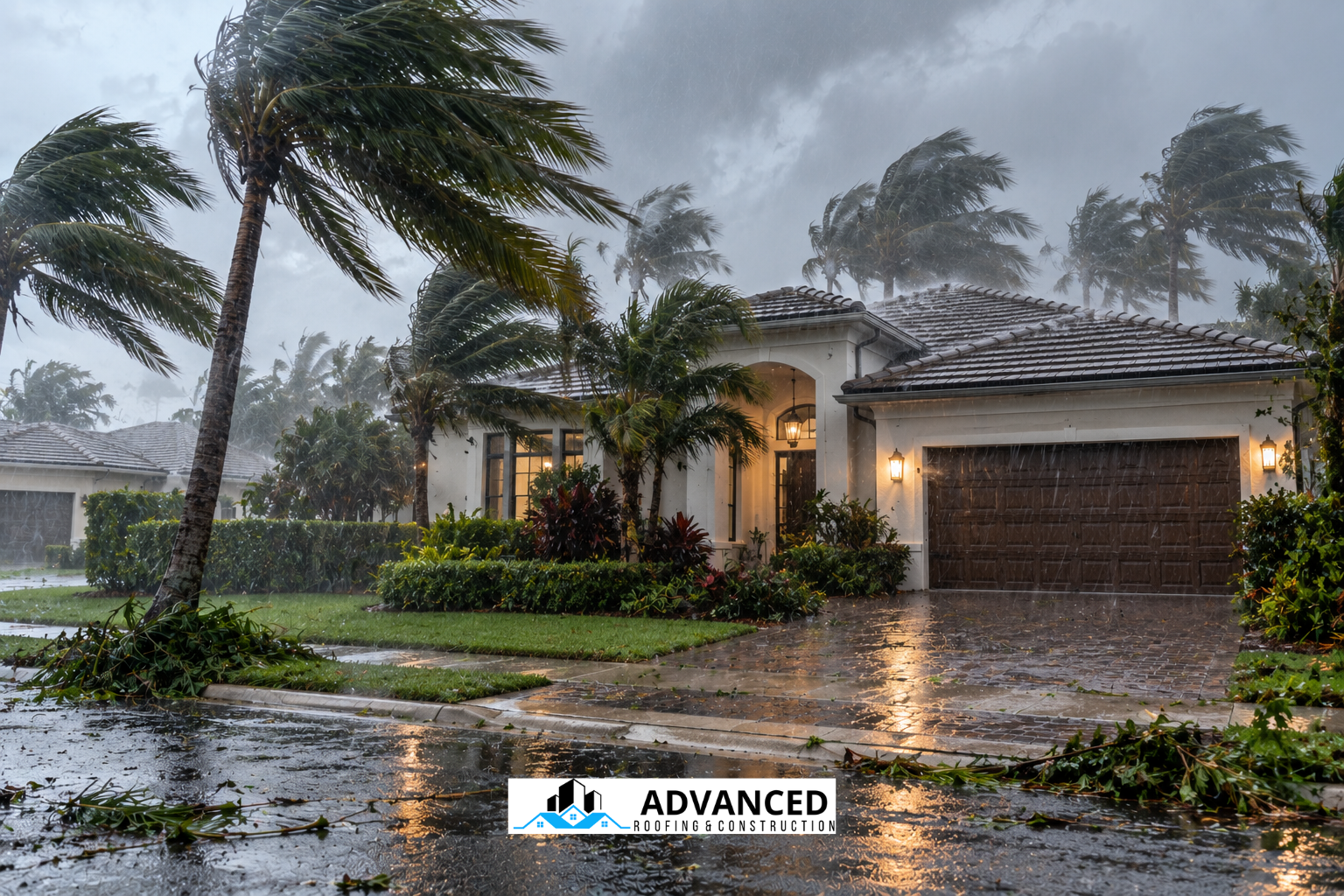
When heavy wind and rain sweep through your neighborhood, the damage isn't always easy to spot from the street. Shingles might lift, flashing could loosen, gutters might overflow, and water might seep into areas you don't notice right away. Knowing what to check after a storm can help you catch problems early, protect your home, and avoid costly repairs later.
This guide will walk you through the essential post-storm checks, from the roof and attic to gutters, siding, and interior spaces. If you need immediate help, you can always start with a professional roof inspection or check out our storm damage services for quick support after severe weather.
Why Your First Post-Storm Inspection Matters
Small Damage Can Lead to Big Leaks
Wind and rain often damage roofing materials in ways that are easy to overlook. A missing shingle, a torn underlayment, or a bent flashing edge might seem minor at first, but each one creates an entry point for water. Once moisture gets beneath the roof surface, it can spread into insulation, framing, ceilings, and walls.
According to Ready.gov, homeowners should inspect their property promptly after severe weather when it's safe. This advice is especially important in Florida, where storms can bring both wind-driven rain and debris impacts. A quick visual check can help you decide whether you need emergency repairs or a more detailed assessment.
Insurance and Documentation are Easier When You Act Quickly
After a storm, insurance claims often depend on clear evidence of when and how the damage occurred. Photos, videos, and written notes taken soon after the storm can support your claim and help explain what changed. The earlier you document the property, the easier it is to separate storm-related damage from long-term wear.
If you live locally and need help organizing next steps, a trusted roof repair team can help identify damage patterns and explain what should be documented before work begins. That kind of support can make the process smoother and reduce confusion during a stressful time.
Start with a Safe Exterior Walkaround
Look for Ground-Level Signs Before Climbing Anything
Your first post-storm check should always begin on the ground. Walk around the outside of your home and look for fallen shingles, roof debris, bent gutters, broken tree limbs, and pieces of flashing near downspouts or landscaping. Even without getting on a ladder, you may see enough to know that the roof needs attention.
Pay special attention to soft signs of damage, such as granules collecting near gutter outlets or dark streaks on exterior walls. These can point to roof wear, loose edges, or water runoff problems. If the storm brought significant wind, check fences, vents, satellite equipment, and trim pieces too, since damage in those areas may indicate the roof was exposed to strong gusts.
Watch for Structural Hazards and Safety Issues
Never inspect a storm-damaged roof in unsafe conditions. If you see downed power lines, loose branches, visible sagging, or unstable debris, stay clear and call professionals first. The OSHA storm response guidance reminds workers and homeowners alike to treat damaged structures with caution because hidden hazards are common after severe weather.
Before using a ladder or stepping onto a roof, make sure the area is dry, stable, and free from electrical danger. In many cases, a professional inspection is the safest choice, especially if your home has a steep pitch, multiple levels, or older materials that may already be weakened.
What to Check on the Roof Surface
Shingles, Tiles, and Visible Roofing Materials
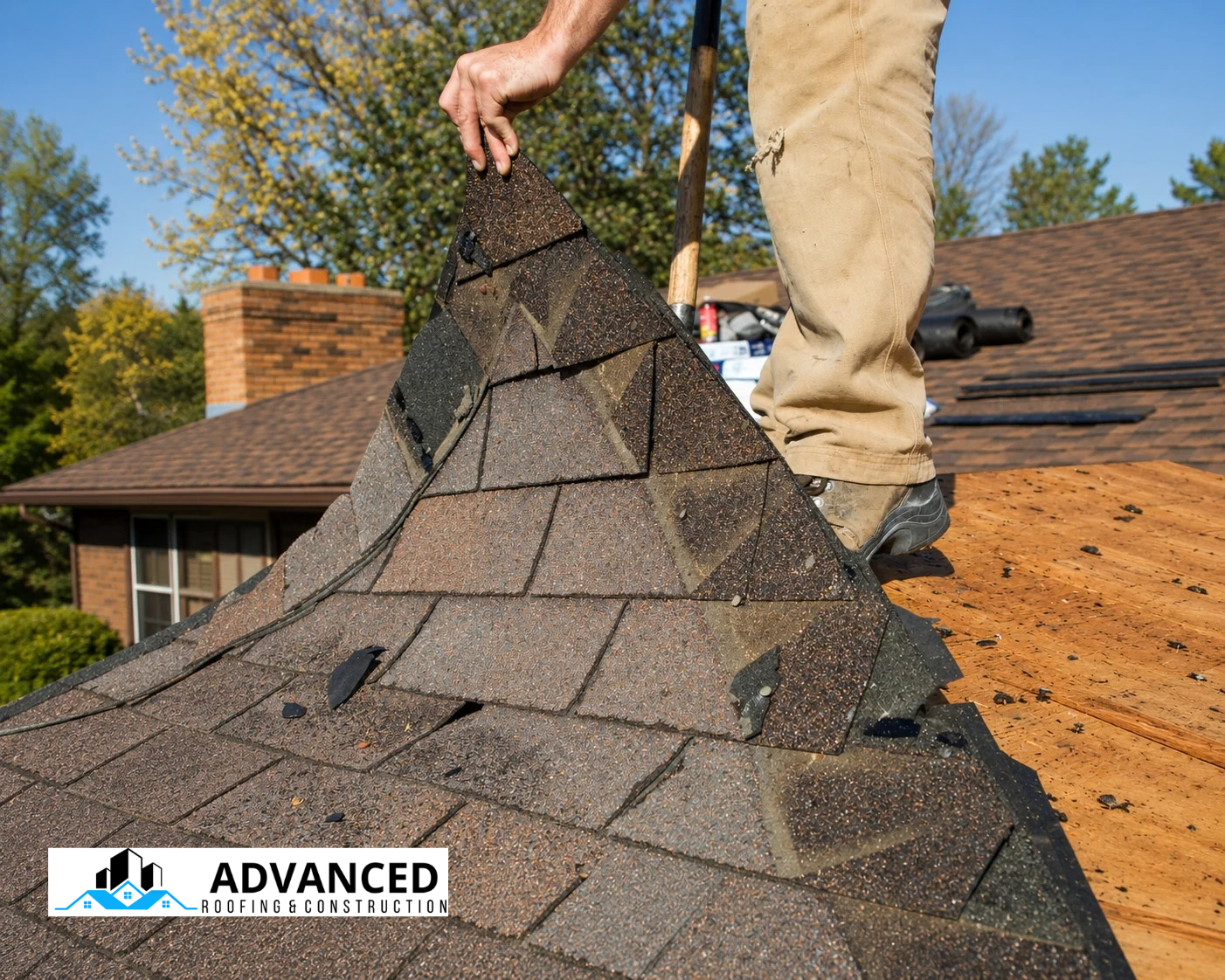
Once it's safe, look carefully at the roof surface from the ground or from a secure vantage point. Missing shingles, curled edges, cracked tabs, lifted corners, and displaced tiles are among the most common signs of storm damage. Even if only a few materials are affected, those weak spots can allow water to enter during the next rainstorm.
If you suspect isolated damage, it may be helpful to compare the affected areas with our guide to missing or damaged shingles. That resource explains how to tell whether the issue is cosmetic, repairable, or a sign of broader roof trouble.
Flashing, Vents, and Roof Penetrations
Wind-driven rain often targets roof penetrations such as pipe boots, attic vents, skylights, chimneys, and wall intersections. Flashing around these areas can loosen even when the shingles still look intact. If flashing pulls away or sealant breaks down, water can track underneath the roof system and remain hidden for weeks.
Look for bent metal, missing fasteners, rust spots, or dark staining around seams. Because these details can be difficult to evaluate from the ground, a professional roofing contractor may recommend a closer inspection if you notice anything unusual. The goal is to find the source before the leak spreads inside the home.
Don’t Forget the Gutters and Drainage System
Clogs, Overflow, and Detached Sections
Heavy rain puts a lot of stress on gutters and downspouts. If they were already partially blocked by leaves or roof granules, stormwater might have spilled over the edges and backed up along the roofline. That overflow can rot fascia boards, stain siding, and push water toward the foundation.
Check for sagging gutters, loose hangers, separated joints, and downspouts that no longer direct water away from the home. If the storm caused repeated overflow, the problem may be bigger than a simple cleaning issue. In some cases, gutter replacement is the best long-term solution because damaged gutters cannot move water away from the roof efficiently.
Why Drainage Problems Can Signal Roof Trouble
When gutters fill with shingle granules after a storm, it may indicate roof wear or impact damage. That does not always mean the roof is failing, but it does suggest the storm stressed the system. Healthy drainage protects the roof edge, attic, and foundation, so it should be part of every post-storm review.
If your gutters overflowed during the storm, note where the water went. Did it pool near the house? Did it splash against windows or seep into soffits? These details help a roofing professional determine whether the issue is isolated or connected to a larger roofing concern.
Check Inside the Home for Hidden Water Damage
Ceilings, Walls, and Attic Spaces
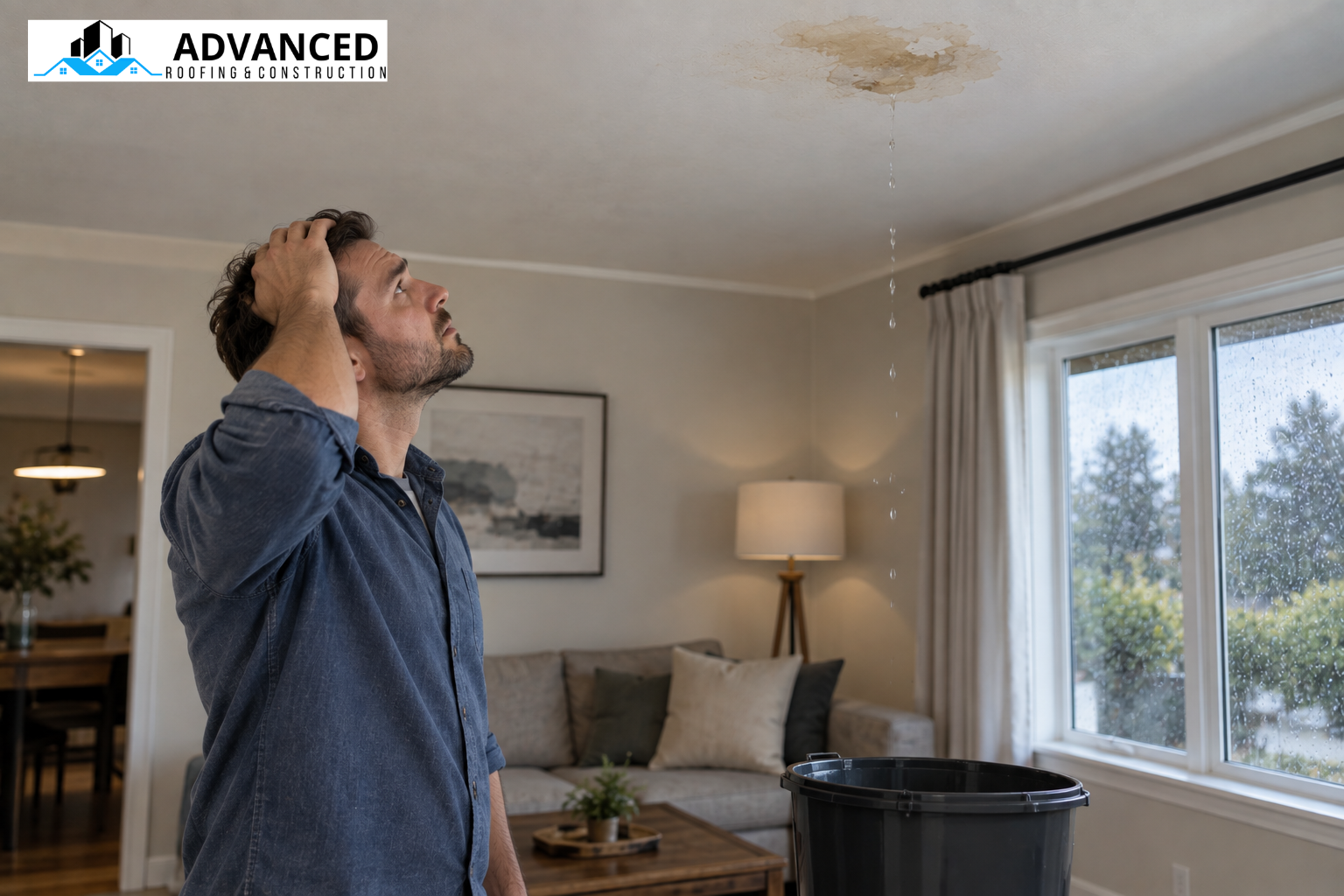
Water intrusion does not always show up right away on the roof surface. Inside the home, look for yellow or brown ceiling stains, bubbling paint, damp drywall, musty odors, and soft spots around walls or ceiling corners. These are classic signs that water entered somewhere above and is moving through the structure.
The attic often reveals problems sooner than the living area. Use a flashlight to inspect rafters, insulation, roof decking, and vents for dampness or discoloration. If you spot moisture in the attic after a storm, schedule a roof inspection quickly so the source can be found before mold or structural damage develops.
Electrical and Insulation Concerns
Storm water can also affect wiring, light fixtures, and insulation. Wet insulation loses effectiveness and may need to be replaced if it was soaked for long enough. Any sign of electrical contact with water should be treated as a serious safety issue, and you may need a licensed electrician in addition to roofing support.
If the home feels unusually humid or you notice a persistent mildew smell, do not ignore it. Moisture can linger inside concealed cavities long after the storm passes. A thorough inspection helps prevent a small leak from becoming a larger remediation project.
When Wind Damage Suggests a Bigger Roofing Problem
Patterns Matter More Than One Loose Shingle
One isolated issue may be a quick repair, but repeated signs of damage across multiple areas can point to aging materials or an installation problem. If the storm lifted shingles in more than one section, or if you see damage around different roof penetrations, the system may be vulnerable in a broader sense.
In those cases, a simple patch may not solve the full problem. You may need a roof replacement if the roof is near the end of its service life or if the storm exposed widespread deterioration. A detailed evaluation can help you compare repair cost, remaining lifespan, and long-term value.
Storm Damage Versus Normal Wear and Tear
It's not always easy to tell whether storm conditions caused the issue or simply revealed existing weakness. For example, a roof with aging sealant may lose shingles more easily in strong wind, even if the storm wasn't unusually severe. That distinction matters for both repair decisions and insurance documentation.
Local expertise can help homeowners understand what's likely storm-related and what's part of long-term aging. If you're unsure, ask a professional to compare the roof’s visible condition with the weather event, the home’s age, and any previous repair history.
How Attic Ventilation and Moisture Control Affect Post-Storm Recovery
Ventilation Helps the Roof Dry Out
After heavy rain, a roof system needs the ability to dry properly. If attic airflow is poor, trapped humidity can linger under the roof deck, extending the damage and weakening materials over time. Good ventilation also helps reduce heat buildup, which is especially important in South Florida climates.
For more detail on this often-overlooked issue, see our attic ventilation service information and our related article, Your Go-To Guide for Attic Ventilation. Proper airflow doesn't stop a storm, but it can make your roof more resilient before and after severe weather.
Moisture Trapped After a Storm Can Create Long-Term Damage
Humidity, wet insulation, and slow-drying decking can lead to mold growth and wood deterioration if left unchecked. That's why post-storm recovery should include more than patching visible damage. The goal is to restore the entire roof system so it can shed water, dry effectively, and withstand future storms.
If your attic stayed warm, damp, or musty after the storm, ask for a moisture-focused inspection. This is especially important when the rain was driven sideways by strong winds, because water can enter through vents and seams that usually stay dry in calmer weather.
Use a Simple Checklist to Organize Your Next Steps
Document, Inspect, and Prioritize
A clear checklist can keep you from missing key details after the storm. Start with photos of the roof, gutters, siding, and interior areas that show damage. Then make notes about where each issue was found, whether it appeared new, and whether water was actively entering the home.
- Take exterior photos from multiple angles.
- Check gutters, downspouts, and soffits for overflow or separation.
- Inspect ceilings, attic spaces, and upper walls for moisture stains.
- Note any missing shingles, bent flashing, or debris impact.
- Contact a roofing professional if you suspect active leaks or structural damage.
If the damage seems moderate to severe, don't wait for the next rainstorm to confirm it. Schedule help quickly so the roof doesn't deteriorate further. Fast action can reduce repair costs and prevent secondary damage to insulation, drywall, and interior finishes.
Choose the Right Service Based on the Damage
Not every storm issue requires a full replacement, and not every problem can be solved with a minor repair. A targeted roof repair may be enough for isolated damage, while a full inspection may reveal that the roof needs larger restoration work. The right answer depends on the age of the roof, the severity of the storm, and the overall condition of the materials.
If you need a fresh start for an aging roof or one that has been repeatedly damaged, a new system may be the smarter investment. That's why it's important to work with a contractor who can explain both short-term and long-term options clearly.
When to Call a Professional Roofing Contractor
Signs You Shouldn’t Handle It Alone
Call a professional if you see active leaking, sagging sections, visible structural movement, large areas of missing materials, or damage you can't safely inspect. If the roof is steep, high, or covered in slippery debris, avoid going up yourself. Even if the damage looks minor, a professional can verify whether it's isolated or part of a bigger issue.
Advanced Roofing & Construction provides trusted residential roofing support for homeowners who need careful storm assessments and dependable solutions. A trained crew can often identify hidden damage that a quick look from the ground would miss, especially after strong wind events.
What a Professional Inspection Should Cover
A quality inspection should include the roof surface, flashing, penetrations, attic, ventilation, gutters, and surrounding exterior areas. It should also assess whether the home’s roofing system still has enough remaining life to justify repairs. A good contractor will explain what was found in plain language and help you understand the best next step.
If you live in Davie or nearby communities and want support after a storm, our team can provide an honest assessment and free on-site estimate. That way, you get a clear picture of the damage before committing to any repair plan or replacement decision.
Frequently Asked Questions About Post-Storm Roof Checks
How Soon Should I Inspect My Home After the Storm?
As soon as it's safe. Start with a ground-level walkaround, then move inside to look for leaks or stains. If there are major hazards such as downed power lines or unstable branches, wait for professionals to handle the danger first.
Do I Need to Check the Attic Even If I Don’t See Roof Damage?
Yes. The attic is one of the best places to spot hidden moisture early. A roof can look acceptable from outside while still allowing water to enter around vents, flashing, or weakened seams.
What If the Damage Seems Small?
Small damage should still be documented and monitored. Wind can loosen materials that later fail during the next storm, and minor issues often become expensive when left unresolved. When in doubt, get an inspection.
Should I Wait for a Leak Before Calling a Roofer?
No. By the time water reaches the ceiling, the hidden damage may already be extensive. It's better to address warning signs early, especially after a severe wind and rain event.
Final Thoughts: Act Fast, Stay Safe, and Protect Your Home
Heavy wind and rain can expose weaknesses in any roofing system, even one that looked fine before the storm. The most important thing is to inspect safely, document what you see, and respond before minor issues turn into major repairs. A careful post-storm check helps protect your roof, your attic, and the rest of your home.
If you suspect damage, don't wait for the next downpour to find out what went wrong. Contact Advanced Roofing & Construction for a professional assessment, clear answers, and dependable next steps. Whether you need a roof inspection, roof repair, or help deciding between repair and replacement, our team is ready to help you restore your home with confidence.